Detached-space route
Existing feeder, distance, trench conditions, grounding, and other garage loads determine whether a branch circuit fits.
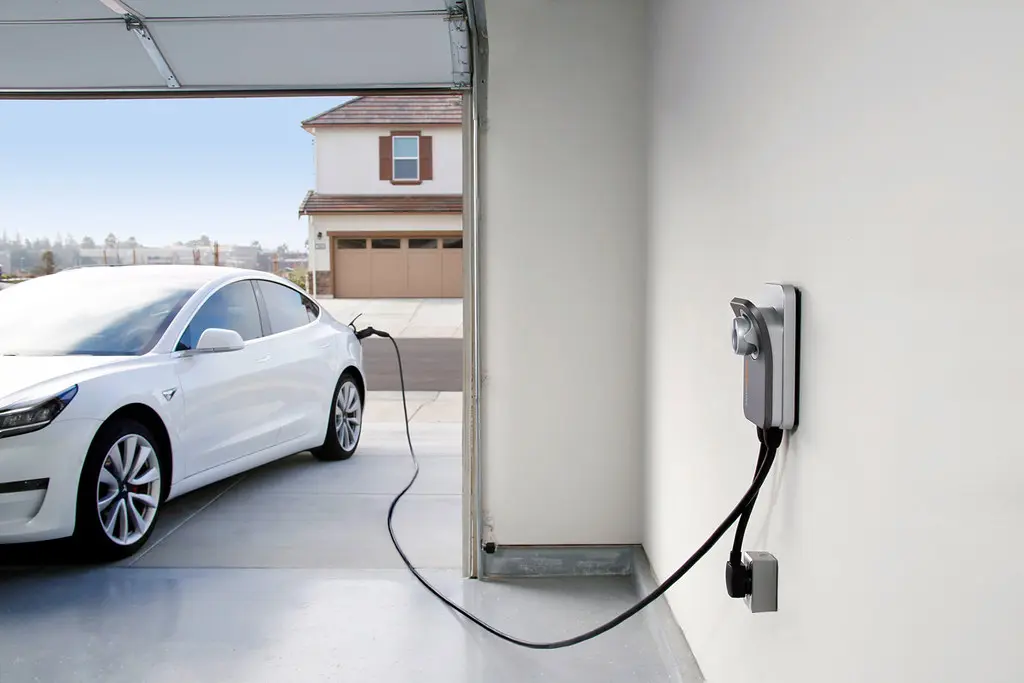
Deer Park EV charging may serve a primary garage, detached structure, or mixed-use property near active retail. AGE evaluates the path from verified distribution to the exact parking position, including outdoor exposure and likely future equipment.
For EV Charger Installation in Deer Park, IL, send your address or ZIP, what you want to install or upgrade, panel photos, and details of the wiring route or access. We’ll explain what can be estimated remotely and what needs an on-site review.
For EV charger planning in Deer Park, compare $1,000–$3,500, $2,500–$6,000, $4,000–$9,000+ against three property-specific conditions: Detached-space route, Outdoor durability, and Future-use allowance. These are comparable-work planning bands—not a quote—and the verified property scope decides which band, if any, fits.
A Deer Park schedule should not be set from field time alone. Resolve Outdoor durability, Future-use allowance, and the current steps from Village of Deer Park Permits & Forms; then AGE can separate installation workdays from permit, inspection, utility, equipment, and restoration lead time.
For the Deer Park property, equipment, access, existing conditions, permit, utility, and restoration scope determine AGE Electric’s quote.
These three local considerations can affect EV Charger Installation in Deer Park, IL. Review them when discussing your property and any approvals the project may need.
Existing feeder, distance, trench conditions, grounding, and other garage loads determine whether a branch circuit fits.
Equipment rating, conduit, mounting, snow, impact protection, drainage, and cable storage affect longevity.
A workshop, second EV, heater, or outdoor equipment can change the practical feeder or conduit plan.
Deer Park publishes permit forms and project checklists through the Village. EV, exterior, trench, and service work should use the current checklist or application rather than relying on a neighboring municipality’s process. For this EV charger scope, the written estimate should separate municipal, utility, and property-owner responsibilities.
Village of Deer Park Permits & FormsEvery Deer Park band carries assumptions. Compare routing, equipment, permits, restoration, and enabling work before treating two EV Charger Installation in Deer Park, IL totals as equivalent.
| Comparable scope | Planning range | What it assumes | What can change it |
|---|---|---|---|
| Detached-space route · Deer Park | $1,000–$3,500 | Existing feeder, distance, trench conditions, grounding, and other garage loads determine whether a branch circuit fits. | Also document Outdoor durability and current Village of Deer Park Permits & Forms requirements before comparing totals. |
| Outdoor durability · Deer Park | $2,500–$6,000 | Equipment rating, conduit, mounting, snow, impact protection, drainage, and cable storage affect longevity. | Also document Future-use allowance and current Village of Deer Park Permits & Forms requirements before comparing totals. |
| Future-use allowance · Deer Park | $4,000–$9,000+ | A workshop, second EV, heater, or outdoor equipment can change the practical feeder or conduit plan. | Also document Detached-space route and current Village of Deer Park Permits & Forms requirements before comparing totals. |
Use this Deer Park checklist to compare the same work across proposals and expose missing assumptions before the EV Charger Installation in Deer Park, IL project starts.
These Deer Park answers keep capacity, access, approvals, cost, and timing visible while planning EV Charger Installation in Deer Park, IL.
Possibly, but feeder rating, existing loads, simultaneous use, voltage drop, panel space, and future plans must be evaluated. An EV circuit should not be added from breaker space alone.
Existing feeder, distance, trench conditions, grounding, and other garage loads determine whether a branch circuit fits. AGE will verify this condition for the actual property before fixing equipment, price, or schedule.
Equipment rating, conduit, mounting, snow, impact protection, drainage, and cable storage affect longevity. AGE will verify this condition for the actual property before fixing equipment, price, or schedule.
A workshop, second EV, heater, or outdoor equipment can change the practical feeder or conduit plan. AGE will verify this condition for the actual property before fixing equipment, price, or schedule.