
Charging equipment
Confirm the exact model, maximum current, hardwired or receptacle connection, cord reach, and manufacturer instructions.
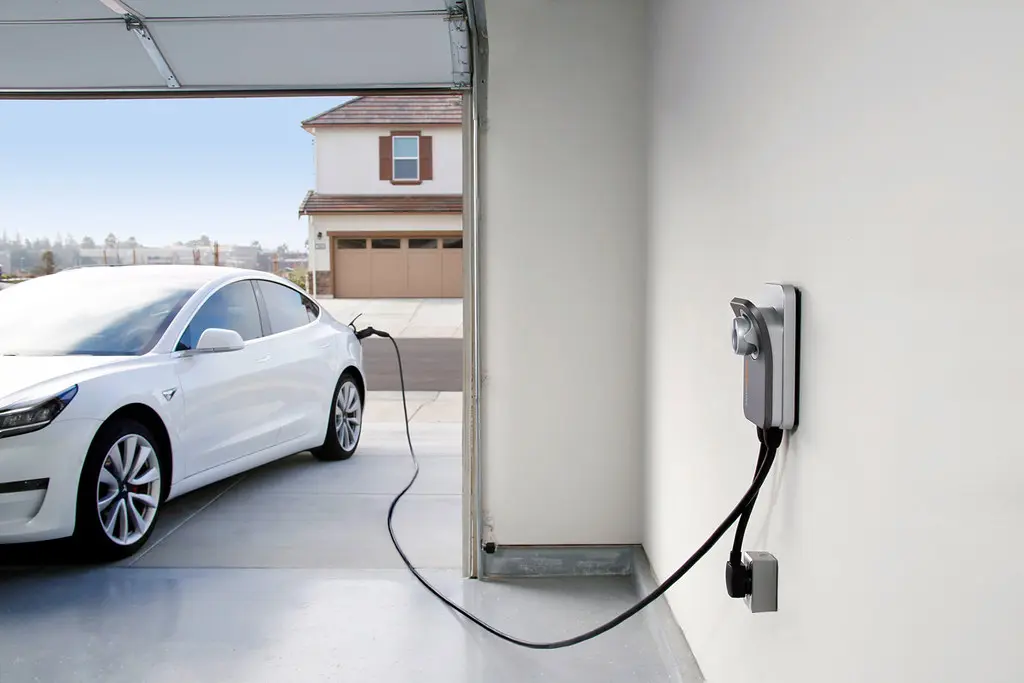
Level 2 EV charger installation, 240-volt dedicated circuits, panel-capacity review, and indoor or outdoor charger mounting near Palatine.
Share your contact information, project ZIP, and the closest service category. AGE Electric will follow up to confirm the property, equipment, and next step.
A Level 2 charger is not a one-size-fits-all outlet. The vehicle and charger settings establish the circuit requirement, while the existing service load determines whether the property can support that charging rate.
Garage layout, detached structures, exterior exposure, condominium rules, and the distance from the panel can change the installation. Share the charger model, panel photos, and parking location before equipment is finalized.
Confirm the exact model, maximum current, hardwired or receptacle connection, cord reach, and manufacturer instructions.
Panel space alone does not prove capacity. Existing heating, cooling, cooking, and other major loads must be considered.
Wall construction, finished ceilings, detached garages, weather exposure, and parking position affect the circuit route and mounting plan.
AGE Electric installs Level 2 electric vehicle chargers for homes, garages, multi-family properties, and businesses in the Palatine area. Each installation starts with the charger specifications, available electrical capacity, required circuit size, parking location, and the wiring route from the panel.
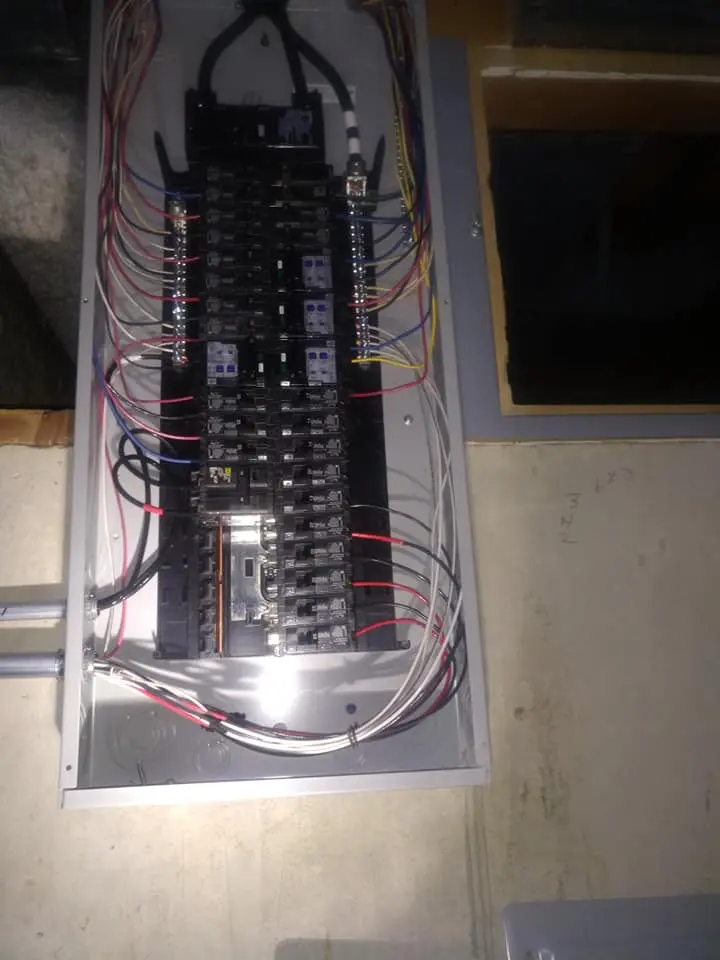 Panel, route, equipment, and final test
A straightforward residential Level 2 charger circuit commonly belongs in a $1,000–$3,500 planning band. A long or difficult route can fall around $2,500–$6,000. Trenching, load management, a subpanel, panel replacement, or service work can move comparable projects into roughly $4,000–$9,000 or more.
With compatible equipment, adequate capacity, and an accessible attached-garage route, field installation is often completed in one workday after approvals and scheduling. Long routes, detached structures, trenching, panel work, utility coordination, or inspection corrections can require multiple workdays and a longer calendar lead time.
The property, equipment, access, existing conditions, permit, utility, and restoration scope determine AGE Electric’s quote.
Because AGE Electric is based in Palatine, an EV estimate can start with the real garage layout: attached or detached parking, panel location, desired charging speed, connector reach, and whether the home already carries large electric loads.
The feeder or branch-circuit plan changes when parking is separated from the main panel.
Association approval, parking rights, metering, and shared-space routing may precede the electrical work.
A charger shortlist is useful, but service load and configured output should be settled before purchase.
Palatine publishes its permit and inspection process online, including separate service-revision guidance. Confirm the current submittal, contractor, ComEd, and inspection steps before fixing an installation or shutdown date.
Village of Palatine Building Permits & InspectionsEach range carries assumptions about equipment, routing, permits, restoration, and enabling work.
| Comparable scope | Planning range | What it assumes | What can change it |
|---|---|---|---|
| Accessible attached-garage route | $1,000–$3,500 | Dedicated circuit and charger connection with adequate existing capacity | Confirm charger supply, permit, finish repair, and surge-protection scope |
| Long or difficult route | $2,500–$6,000 | More conductor, conduit, finished-area routing, exterior exposure, or access work | Distance alone does not reveal penetrations, height, pathway, or restoration |
| Charger plus enabling work | $4,000–$9,000+ | Comparable scope with trenching, load management, subpanel, panel, or service work | Utility and service revisions can create separate scope, cost, and lead time |
Use this list to expose missing assumptions before the project starts.
Send the address or ZIP, vehicle and charger model, panel and meter photos, parking position, estimated route, wall or exterior conditions, and any HOA or property-management rules.
Project records state the documented city and scope. Planning guides explain comparable costs without presenting them as customer invoices or quotes.
These answers cover common questions about ev charger installation. The property and equipment determine the final scope.
All electrical FAQsNot necessarily. Sharing the vehicle, charger model, parking location, and panel photos first can help confirm compatibility before equipment is purchased.
Not every home does. Available capacity and the rest of the electrical load must be evaluated before the correct solution can be recommended.
Yes, when the charger and all installation components are rated for the location and the circuit is protected and routed correctly.
Possibly. The electrical path, assigned parking, common property, metering, and association approval all need to be resolved before installation.
Choose based on the vehicle, charger, available electrical capacity, daily driving, and manufacturer requirements—not the largest number on the product page.
Project details vary, but customers consistently describe the communication, workmanship, cleanup, and problem-solving that matter on electrical work.