
Long property routes
Distance, conductor size, voltage drop, pathway, penetrations, and serviceability all matter.
Inverness properties can turn a charger into a whole-route problem: long floor plans, detached parking, exterior exposure, multiple panels, and several high-demand systems. AGE begins with where power actually originates and how the vehicle is parked.
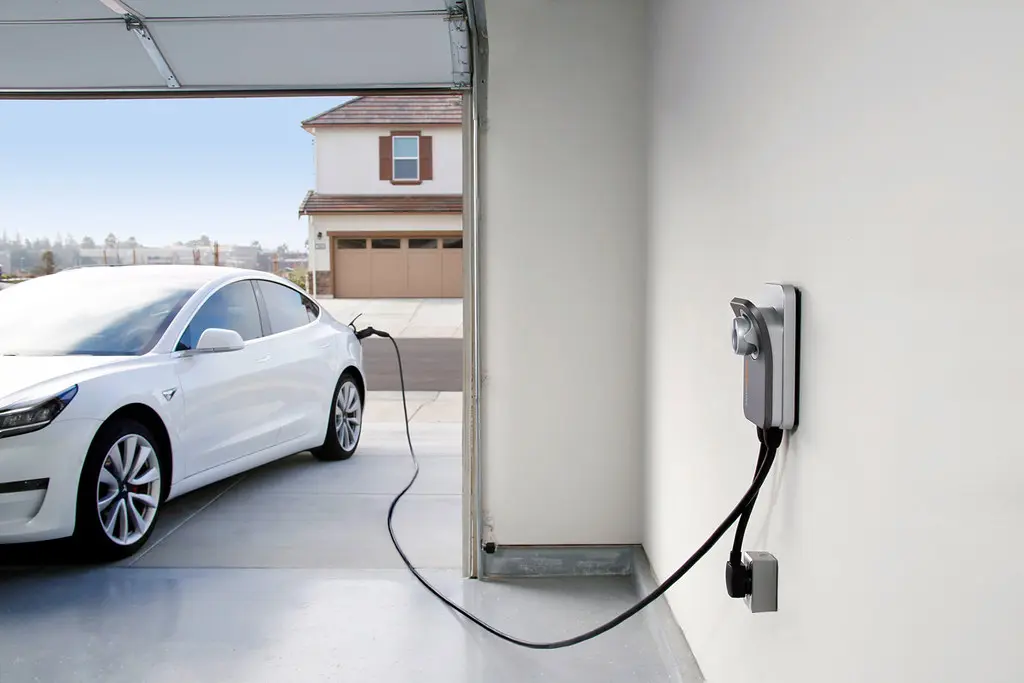
For EV Charger Installation in Inverness, IL, send your address or ZIP, what you want to install or upgrade, panel photos, and details of the wiring route or access. We’ll explain what can be estimated remotely and what needs an on-site review.
For EV charger planning in Inverness, compare $1,000–$3,500, $2,500–$6,000, $4,000–$9,000+ against three property-specific conditions: Long property routes, Multiple distribution points, and Two-vehicle planning. These are comparable-work planning bands—not a quote—and the verified property scope decides which band, if any, fits.
A Inverness schedule should not be set from field time alone. Resolve Multiple distribution points, Two-vehicle planning, and the current steps from Village of Inverness Projects Requiring a Permit; then AGE can separate installation workdays from permit, inspection, utility, equipment, and restoration lead time.
For the Inverness property, equipment, access, existing conditions, permit, utility, and restoration scope determine AGE Electric’s quote.
These three local considerations can affect EV Charger Installation in Inverness, IL. Review them when discussing your property and any approvals the project may need.
Distance, conductor size, voltage drop, pathway, penetrations, and serviceability all matter.
A nearby subpanel is useful only after its feeder and upstream service capacity are verified.
Daily mileage, simultaneous charging, load management, and a future second connector can change the design.
Inverness lists projects requiring permits and provides inspection guidance through its Building Department. Large homes, detached garages, exterior routes, and multiple distribution points should be shown clearly in the proposed electrical scope. For this EV charger scope, the written estimate should separate municipal, utility, and property-owner responsibilities.
Village of Inverness Projects Requiring a PermitEvery Inverness band carries assumptions. Compare routing, equipment, permits, restoration, and enabling work before treating two EV Charger Installation in Inverness, IL totals as equivalent.
| Comparable scope | Planning range | What it assumes | What can change it |
|---|---|---|---|
| Long property routes · Inverness | $1,000–$3,500 | Distance, conductor size, voltage drop, pathway, penetrations, and serviceability all matter. | Also document Multiple distribution points and current Village of Inverness Projects Requiring a Permit requirements before comparing totals. |
| Multiple distribution points · Inverness | $2,500–$6,000 | A nearby subpanel is useful only after its feeder and upstream service capacity are verified. | Also document Two-vehicle planning and current Village of Inverness Projects Requiring a Permit requirements before comparing totals. |
| Two-vehicle planning · Inverness | $4,000–$9,000+ | Daily mileage, simultaneous charging, load management, and a future second connector can change the design. | Also document Long property routes and current Village of Inverness Projects Requiring a Permit requirements before comparing totals. |
Use this Inverness checklist to compare the same work across proposals and expose missing assumptions before the EV Charger Installation in Inverness, IL project starts.
These Inverness answers keep capacity, access, approvals, cost, and timing visible while planning EV Charger Installation in Inverness, IL.
Often, but the existing garage feeder, upstream service, distance, underground route, other garage loads, and desired charger output must be evaluated before choosing a circuit or feeder change.
Distance, conductor size, voltage drop, pathway, penetrations, and serviceability all matter. AGE will verify this condition for the actual property before fixing equipment, price, or schedule.
A nearby subpanel is useful only after its feeder and upstream service capacity are verified. AGE will verify this condition for the actual property before fixing equipment, price, or schedule.
Daily mileage, simultaneous charging, load management, and a future second connector can change the design. AGE will verify this condition for the actual property before fixing equipment, price, or schedule.