
Outbuilding supply
Existing feeder rating, conductor condition, downstream panel, grounding, and all building loads need review.
Long Grove properties can place the garage, barn, workshop, or parking far from the main distribution. AGE treats charger output, feeder hierarchy, underground distance, other outbuilding loads, and restoration as one property-level decision.
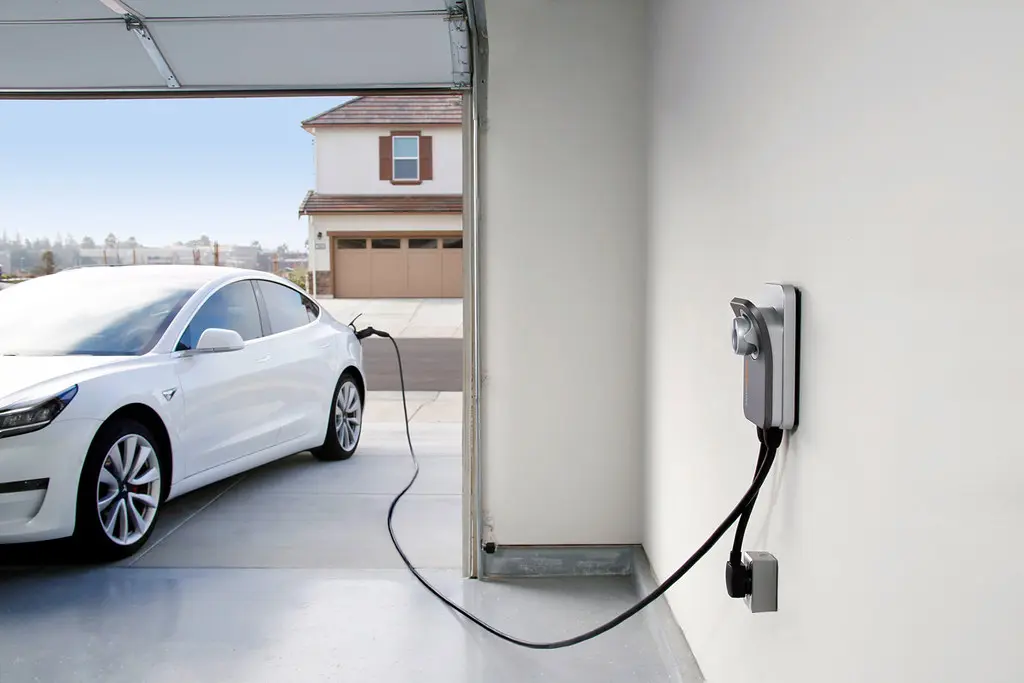
For EV Charger Installation in Long Grove, IL, send your address or ZIP, what you want to install or upgrade, panel photos, and details of the wiring route or access. We’ll explain what can be estimated remotely and what needs an on-site review.
For EV charger planning in Long Grove, compare $1,000–$3,500, $2,500–$6,000, $4,000–$9,000+ against three property-specific conditions: Outbuilding supply, Long underground route, and Serviceability in winter. These are comparable-work planning bands—not a quote—and the verified property scope decides which band, if any, fits.
A Long Grove schedule should not be set from field time alone. Resolve Long underground route, Serviceability in winter, and the current steps from Village of Long Grove Building Department; then AGE can separate installation workdays from permit, inspection, utility, equipment, and restoration lead time.
For the Long Grove property, equipment, access, existing conditions, permit, utility, and restoration scope determine AGE Electric’s quote.
These three local considerations can affect EV Charger Installation in Long Grove, IL. Review them when discussing your property and any approvals the project may need.
Existing feeder rating, conductor condition, downstream panel, grounding, and all building loads need review.
Distance, voltage drop, utilities, trench depth, surfaces, landscaping, and future conduit capacity affect the plan.
Equipment location, snow, impact, drainage, cable storage, and future maintenance matter beyond the first charge.
Long Grove’s Building Department uses an online permit portal and states that permits cover most projects involving electrical plans or improvements. Current Village code, application, inspection, and site requirements should be checked before equipment or outage dates are fixed. For this EV charger scope, the written estimate should separate municipal, utility, and property-owner responsibilities.
Village of Long Grove Building DepartmentEvery Long Grove band carries assumptions. Compare routing, equipment, permits, restoration, and enabling work before treating two EV Charger Installation in Long Grove, IL totals as equivalent.
| Comparable scope | Planning range | What it assumes | What can change it |
|---|---|---|---|
| Outbuilding supply · Long Grove | $1,000–$3,500 | Existing feeder rating, conductor condition, downstream panel, grounding, and all building loads need review. | Also document Long underground route and current Village of Long Grove Building Department requirements before comparing totals. |
| Long underground route · Long Grove | $2,500–$6,000 | Distance, voltage drop, utilities, trench depth, surfaces, landscaping, and future conduit capacity affect the plan. | Also document Serviceability in winter and current Village of Long Grove Building Department requirements before comparing totals. |
| Serviceability in winter · Long Grove | $4,000–$9,000+ | Equipment location, snow, impact, drainage, cable storage, and future maintenance matter beyond the first charge. | Also document Outbuilding supply and current Village of Long Grove Building Department requirements before comparing totals. |
Use this Long Grove checklist to compare the same work across proposals and expose missing assumptions before the EV Charger Installation in Long Grove, IL project starts.
These Long Grove answers keep capacity, access, approvals, cost, and timing visible while planning EV Charger Installation in Long Grove, IL.
Possibly, but the feeder and upstream service must support the charger plus every existing and planned outbuilding load. Distance, voltage drop, grounding, and equipment condition also matter.
Existing feeder rating, conductor condition, downstream panel, grounding, and all building loads need review. AGE will verify this condition for the actual property before fixing equipment, price, or schedule.
Distance, voltage drop, utilities, trench depth, surfaces, landscaping, and future conduit capacity affect the plan. AGE will verify this condition for the actual property before fixing equipment, price, or schedule.
Equipment location, snow, impact, drainage, cable storage, and future maintenance matter beyond the first charge. AGE will verify this condition for the actual property before fixing equipment, price, or schedule.