
Two-EV strategy
Sequential charging, power sharing, configured output, and daily mileage may be more useful than two maximum-output circuits.
South Barrington households may combine multiple EVs with large homes, pools, HVAC systems, outdoor amenities, and backup power. The best charger plan starts with daily driving needs and a whole-property load picture rather than automatically maximizing charger amperage.
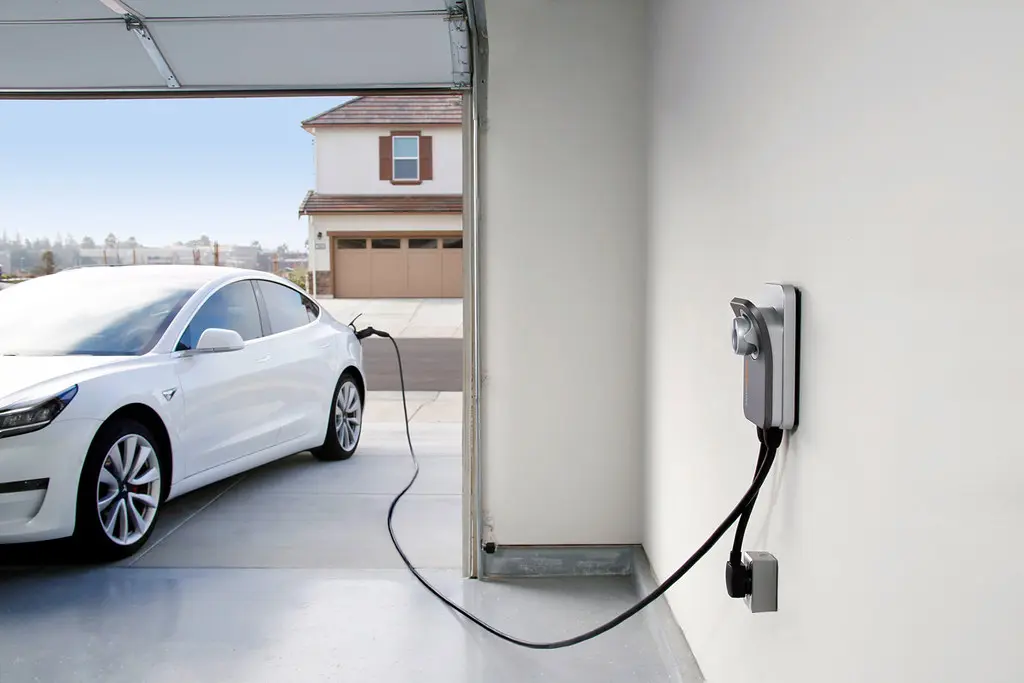
For EV Charger Installation in South Barrington, IL, send your address or ZIP, what you want to install or upgrade, panel photos, and details of the wiring route or access. We’ll explain what can be estimated remotely and what needs an on-site review.
For EV charger planning in South Barrington, compare $1,000–$3,500, $2,500–$6,000, $4,000–$9,000+ against three property-specific conditions: Two-EV strategy, Whole-property demand, and Long or exterior routes. These are comparable-work planning bands—not a quote—and the verified property scope decides which band, if any, fits.
A South Barrington schedule should not be set from field time alone. Resolve Whole-property demand, Long or exterior routes, and the current steps from Village of South Barrington Building & Engineering; then AGE can separate installation workdays from permit, inspection, utility, equipment, and restoration lead time.
For the South Barrington property, equipment, access, existing conditions, permit, utility, and restoration scope determine AGE Electric’s quote.
These three local considerations can affect EV Charger Installation in South Barrington, IL. Review them when discussing your property and any approvals the project may need.
Sequential charging, power sharing, configured output, and daily mileage may be more useful than two maximum-output circuits.
HVAC, pools, kitchens, pumps, backup equipment, and future electrification belong in the capacity review.
Distance, conduit, trenching, detached garages, driveway crossings, and restoration can dominate cost.
South Barrington publishes Building & Engineering resources and construction guidelines, including electrical-service material. For larger properties, the submittal should show the service, distribution, proposed equipment, and affected site areas clearly. For this EV charger scope, the written estimate should separate municipal, utility, and property-owner responsibilities.
Village of South Barrington Building & EngineeringEvery South Barrington band carries assumptions. Compare routing, equipment, permits, restoration, and enabling work before treating two EV Charger Installation in South Barrington, IL totals as equivalent.
| Comparable scope | Planning range | What it assumes | What can change it |
|---|---|---|---|
| Two-EV strategy · South Barrington | $1,000–$3,500 | Sequential charging, power sharing, configured output, and daily mileage may be more useful than two maximum-output circuits. | Also document Whole-property demand and current Village of South Barrington Building & Engineering requirements before comparing totals. |
| Whole-property demand · South Barrington | $2,500–$6,000 | HVAC, pools, kitchens, pumps, backup equipment, and future electrification belong in the capacity review. | Also document Long or exterior routes and current Village of South Barrington Building & Engineering requirements before comparing totals. |
| Long or exterior routes · South Barrington | $4,000–$9,000+ | Distance, conduit, trenching, detached garages, driveway crossings, and restoration can dominate cost. | Also document Two-EV strategy and current Village of South Barrington Building & Engineering requirements before comparing totals. |
Use this South Barrington checklist to compare the same work across proposals and expose missing assumptions before the EV Charger Installation in South Barrington, IL project starts.
These South Barrington answers keep capacity, access, approvals, cost, and timing visible while planning EV Charger Installation in South Barrington, IL.
No. Daily mileage, time parked, vehicle acceptance rate, two-EV plans, available service capacity, and load-management options can support a lower configured output with less enabling work.
Sequential charging, power sharing, configured output, and daily mileage may be more useful than two maximum-output circuits. AGE will verify this condition for the actual property before fixing equipment, price, or schedule.
HVAC, pools, kitchens, pumps, backup equipment, and future electrification belong in the capacity review. AGE will verify this condition for the actual property before fixing equipment, price, or schedule.
Distance, conduit, trenching, detached garages, driveway crossings, and restoration can dominate cost. AGE will verify this condition for the actual property before fixing equipment, price, or schedule.