What Does “EV-Ready Garage” Actually Mean?
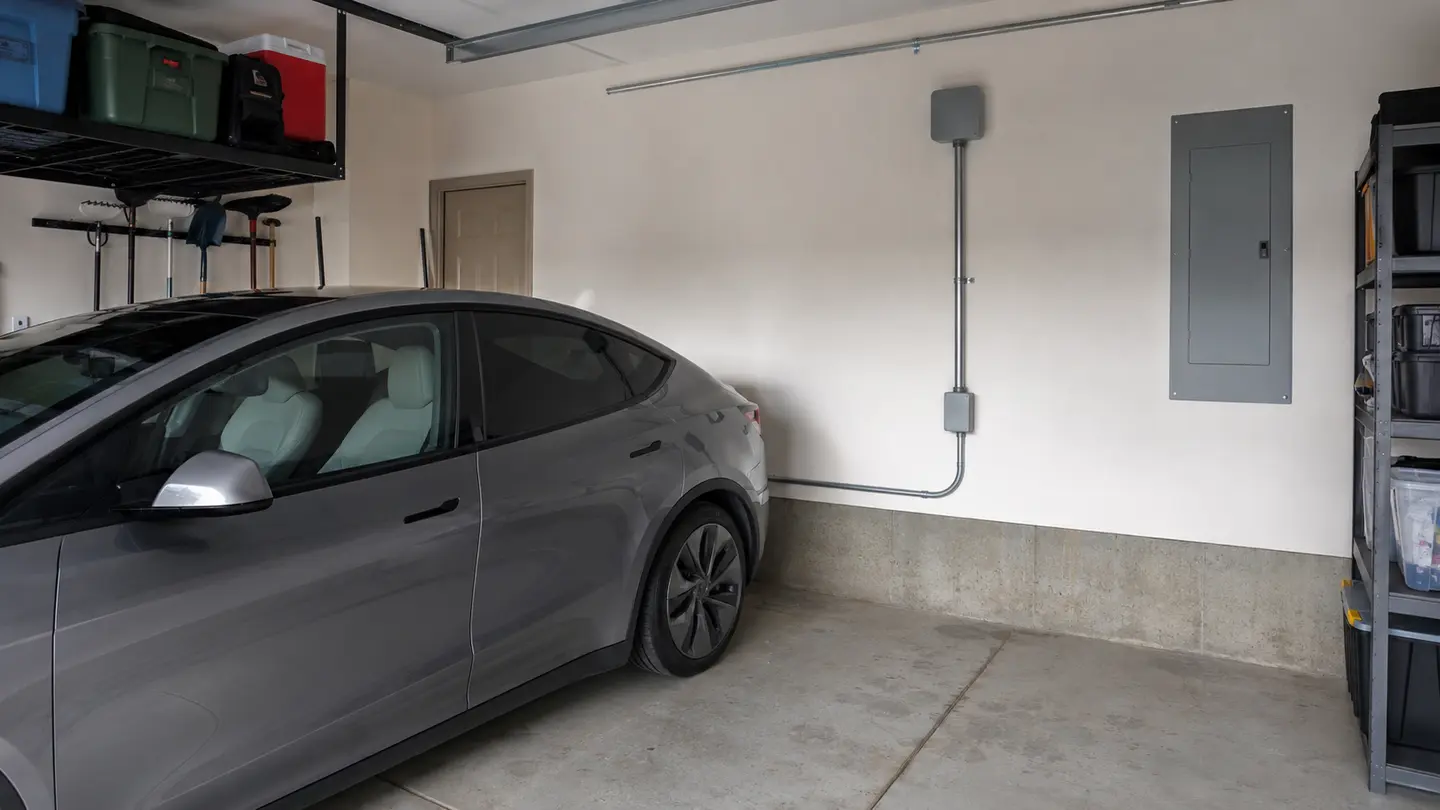
The EV planning decision to make first
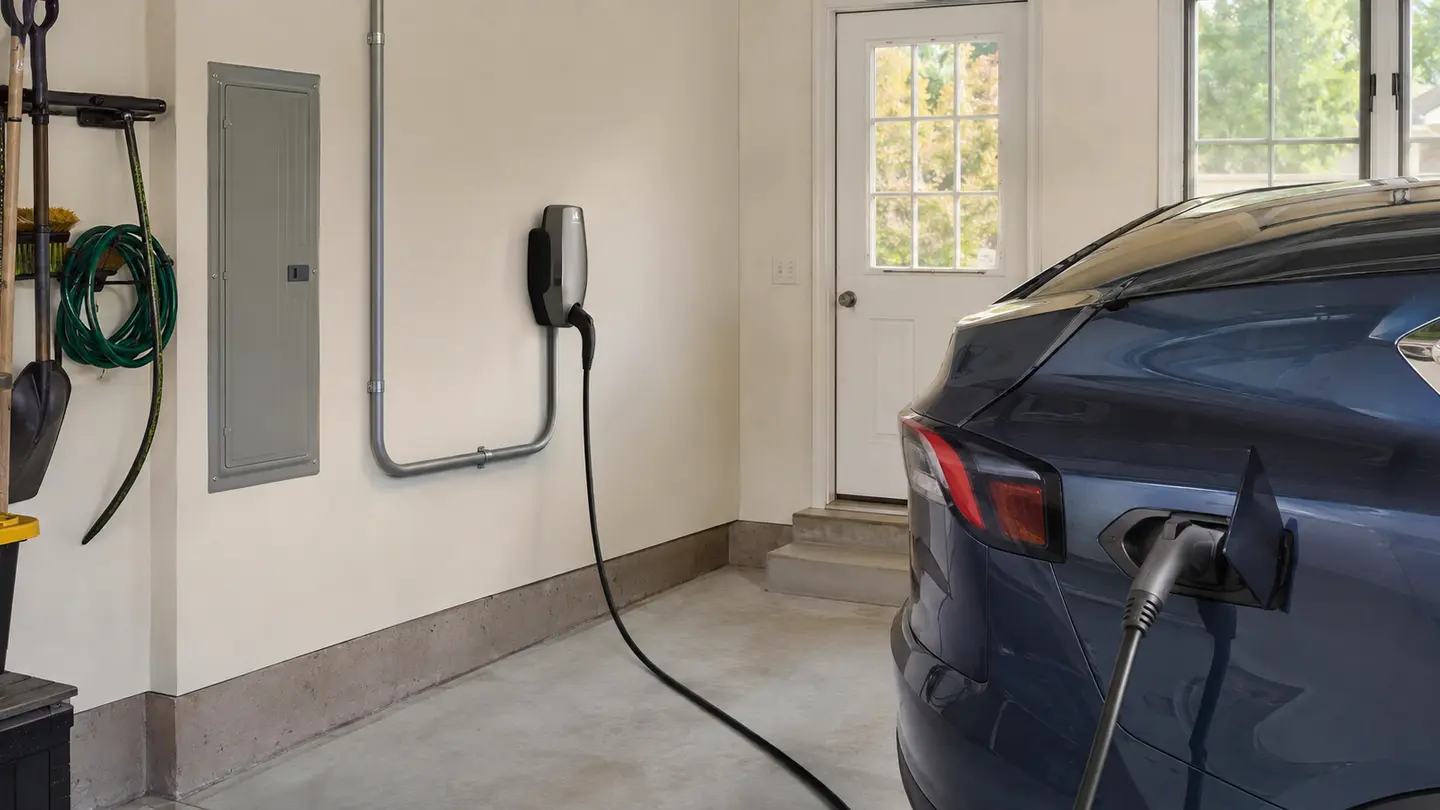
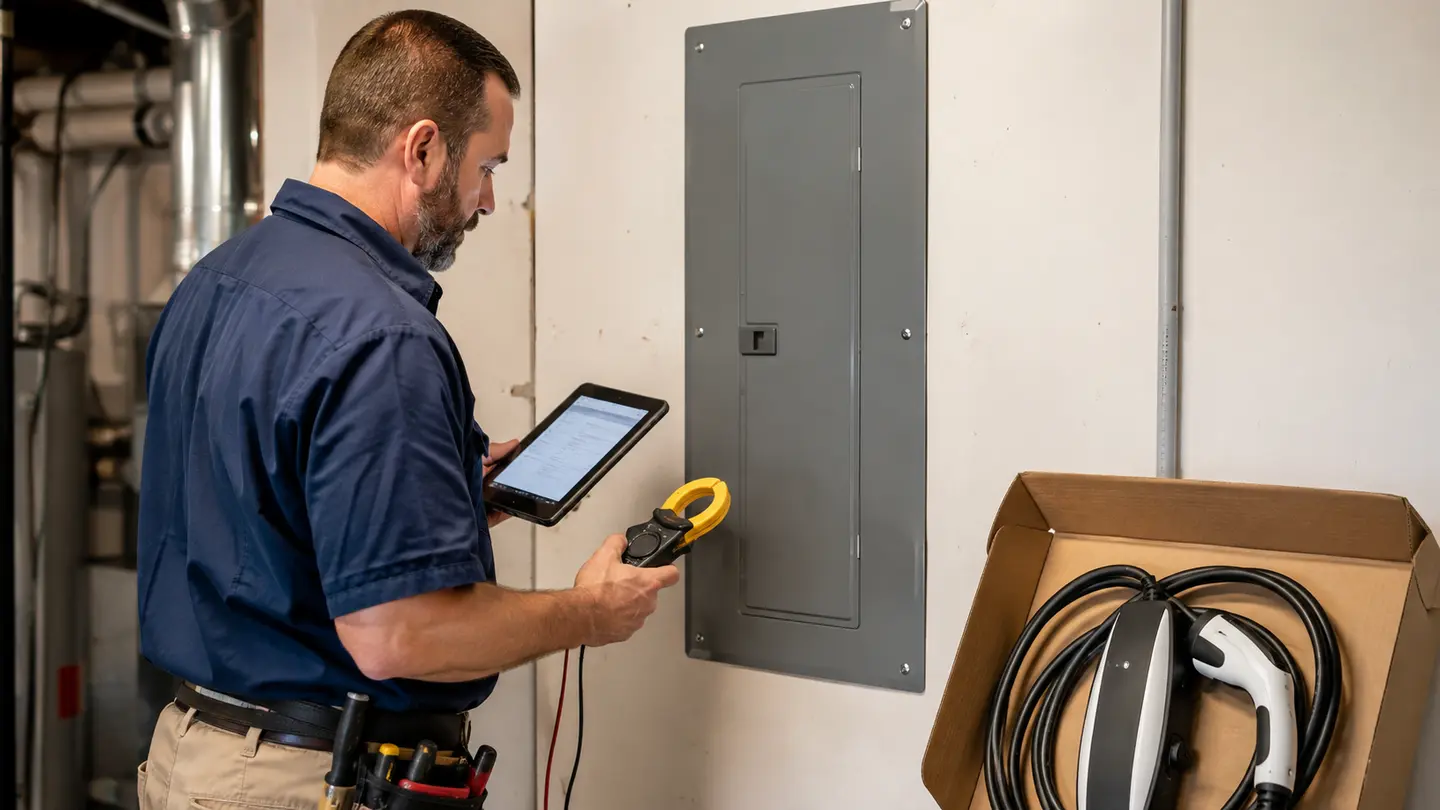
“EV-ready” is not always a complete charger installation. It may describe only a planned wiring pathway, a junction box, a full dedicated circuit, or a mounted and commissioned charger. Ask exactly what is included, what output the electrical system can support, and what work remains before a vehicle can charge.
Four common levels of readiness
Those are not interchangeable. A home listing or remodel note that says EV-ready should identify the circuit rating, wiring endpoint, permit status, and equipment still needed.
- A future pathway, such as planned conduit or accessible routing
- Wiring brought to an approved box but no charger installed
- A complete dedicated circuit for specified equipment
- A mounted charger that has been configured, energized, and tested
Plan around the parking space
Start with where the charge port will sit when the vehicle is parked normally. The cable should reach without becoming a trip hazard, crossing a doorway, or requiring daily stretching. Wall construction, storage, door tracks, outdoor exposure, and a future second parking position all affect placement.
For a detached garage, the feeder and underground or overhead route may be more important than the charger itself. Existing garage power does not automatically mean the feeder can support charging.
Leave usable information for the future
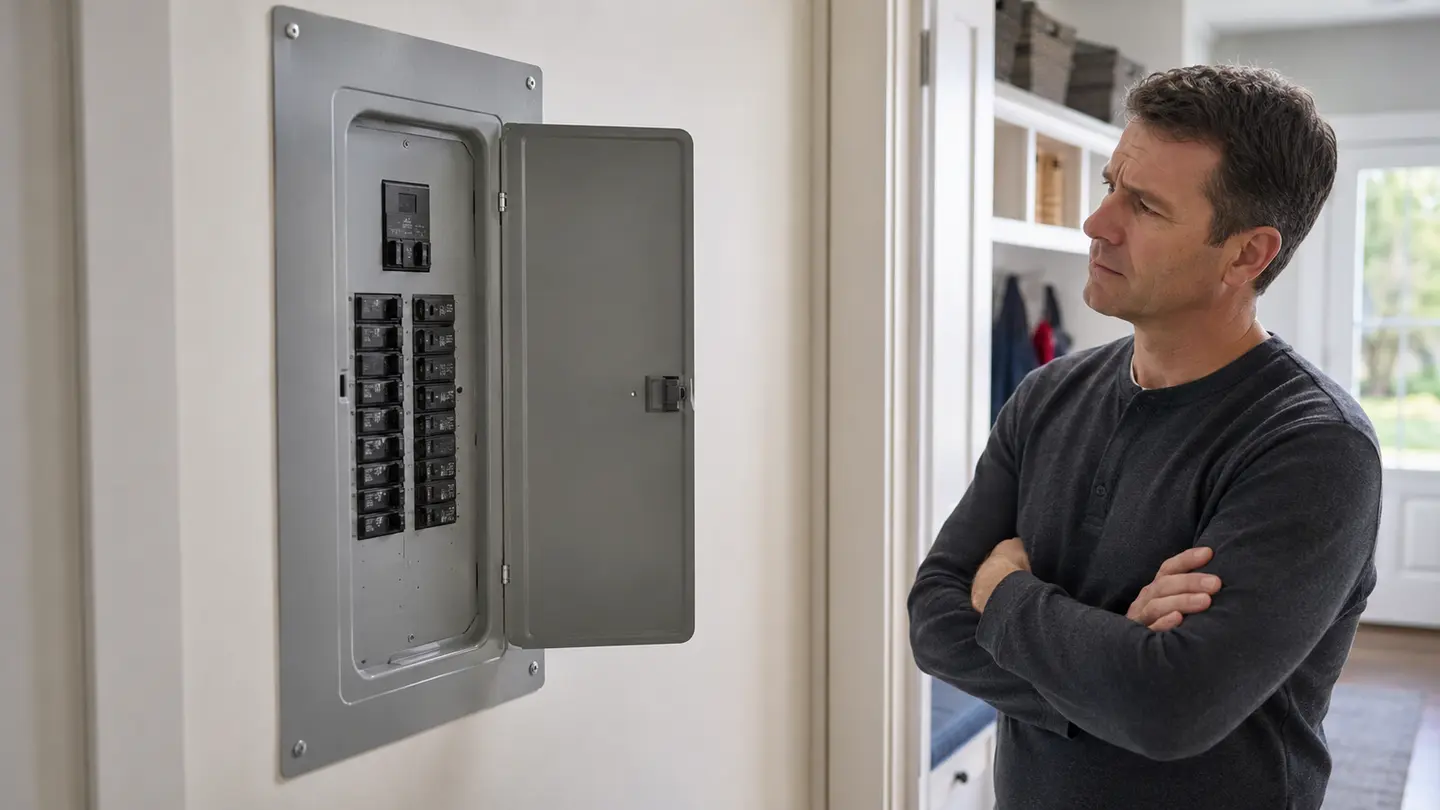
Good preparation includes a clear circuit directory, documentation of conductor and pathway details, photographs before walls close, and the permit or inspection record when applicable. That prevents a future installer from having to infer what is hidden.
If no charger model has been selected, planning should preserve options without claiming compatibility with every future unit.
EV-ready remodels near Palatine
The lowest-disruption time to plan charging is often while garage walls, a panel replacement, or a larger remodel is already underway. Capacity and pathway can then be evaluated with the rest of the project.
AGE Electric can define a truthful EV-ready scope—from pathway planning through a complete charger installation—and coordinate current Palatine permit and inspection requirements.
Related AGE project evidence and planning ranges
These links add photographed project context or transparent cost assumptions without claiming that a review, invoice, or specification belongs to the same job.
Safety limits for this EV planning guide
The guidance in “What Does “EV-Ready Garage” Actually Mean?” supports planning; it does not replace an on-site evaluation. Do not open electrical panels or attempt energized work. For smoke, fire, active arcing, or immediate danger, stay clear and call 911.
Sources for EV planning planning
- U.S. Department of Energy — Charging Electric Vehicles at Home
- Village of Palatine — Building Permit and Inspections
Requirements and manufacturer instructions can change. For EV charger installation, use the linked official pages and the exact equipment documents for the current property.